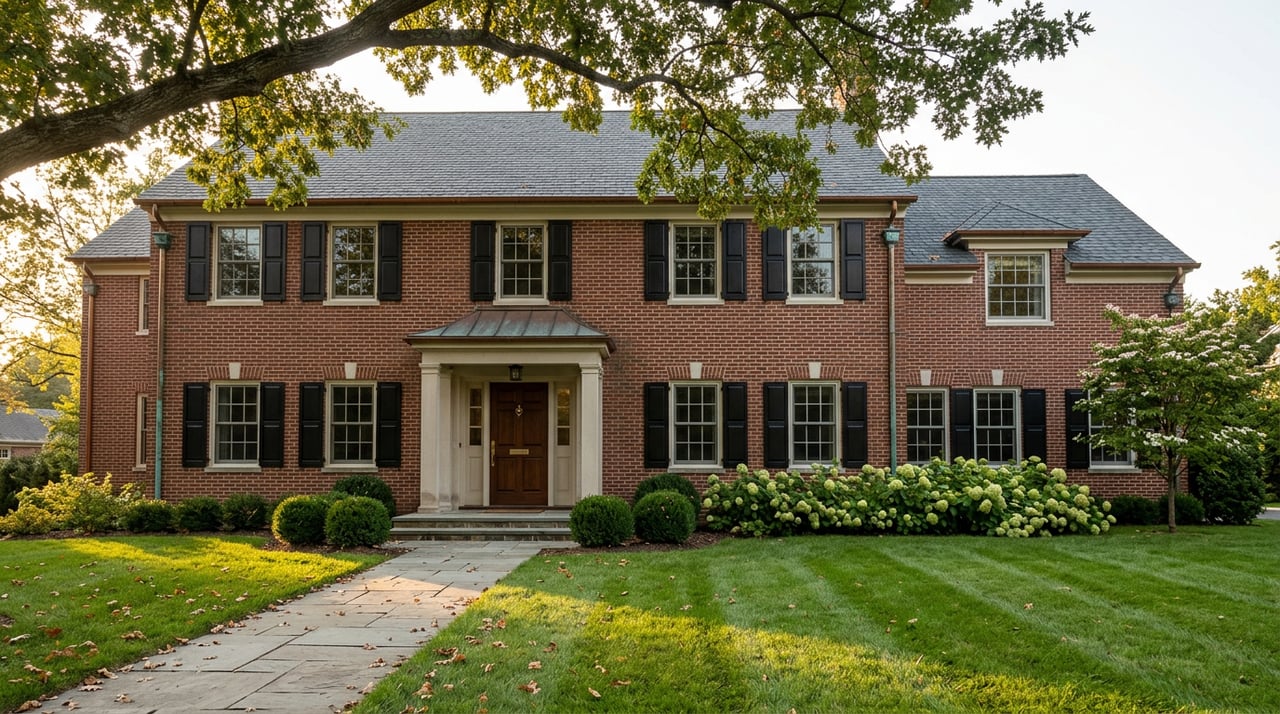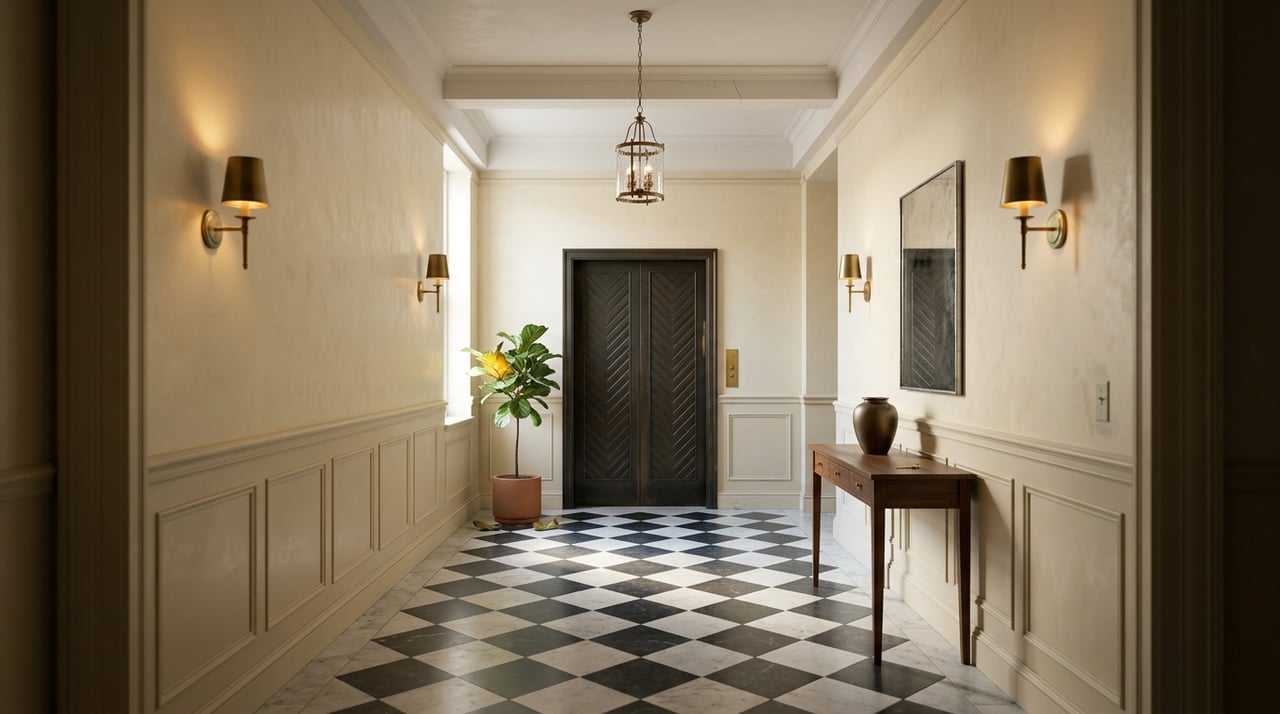
A Gold Coast condo went under contract in the last cycle at nearly $14 million. It closed this summer at $5.3 million. Same walls, same views, same address. The gap wasn't a bad appraisal or a wobbly buyer. It was a reset of what the market is willing to pay for the building around the unit.
That story, first reported by Crain's Chicago Business on July 2, 2026, is the one number every Gold Coast buyer and seller should be reading right now. Not because a $5.3 million sale is representative of the market, but because it makes the mechanism visible. In this neighborhood, price is set less by the residence than by the balance sheet of the corporation, association, or cooperative that owns the building.
The Median Is a Backdrop, Not a Signal
As of the MLS GRID feed dated July 14, 2026, there are 74 condos listed in the Gold Coast at a median list price of $587,000, with a typical marketing period of 55 days. That number is doing a lot of work it isn't designed to do. It combines studios in 1970s towers with full-floor pre-war co-ops on Astor Street, and it collapses buildings with pristine reserves into the same pool as buildings staring down a facade project.
The February 2026 Redfin snapshot put the neighborhood in the mid-$500s at roughly $397 per square foot, up 28.1 percent year over year on a per-foot basis while total median price was down. Two data points moving in opposite directions are usually a clue that the mix is shifting under the average. In the Gold Coast, that shift is being driven by which buildings buyers are willing to underwrite and which they are steering around.
The Building's Balance Sheet Is the Real Comp
Condo assessments in this neighborhood typically cover common-area insurance, staff, management, and reserves. Co-op maintenance charges usually bundle building operations with a pass-through of property taxes, and in some buildings, an underlying blanket mortgage. Two units on the same block with identical square footage can carry monthly costs $1,500 apart because of what is inside that fee, not what is missing.
The number that matters is reserves. In Gold Coast pre-war stock, the recurring capital projects are the expensive ones: facade tuckpointing on hundred-year-old brick and limestone, elevator modernization in original cabs, historic window restoration, and boiler replacement. A single Chicago condo special assessment for that kind of scope typically runs anywhere from $5,000 to more than $50,000 per unit, and premier Gold Coast buildings routinely land at the upper end of that range because the work has to preserve original detail rather than replace it.
This is why disclosure timing quietly moves price. A buyer who learns about a pending $75,000 assessment during attorney review will re-price the deal or walk. A seller who discloses upfront in the listing has already had that conversation with the market and can defend the number. The listings that trade cleanly this summer are the ones where the seller's broker has pulled the reserve study, the most recent budget, and the last twelve months of board minutes before the sign goes in the ground.
A Gold Coast unit is priced twice. Once against comparable residences, and once against the health of the building that owns the roof, the boiler, and the elevator.
Co-op or Condo Is a Pricing Question
The Illinois Condominium Property Act governs the condo half of the neighborhood. A condo buyer takes a deed to the unit and an undivided interest in common elements, and gets a separate property tax bill from Cook County. A co-op buyer purchases shares in a corporation that owns the building and receives a proprietary lease to occupy a specific apartment. No deed. No individual tax bill. The taxes come through the monthly maintenance charge along with, in many Gold Coast co-ops, hot and cold water, sewer, steam heat, gas, and sometimes cable and internet.
That structural difference is a pricing input for three reasons. First, share loans are underwritten by a narrower set of lenders than standard condo mortgages, and some banks do not offer them at all. Second, co-op boards have formal approval rights over prospective buyers within Fair Housing rules, which extends the closing timeline and shrinks the buyer pool. Third, many Gold Coast co-ops restrict or prohibit renting, which removes investors from the demand curve entirely.
The market prices all three of those frictions in. A vintage co-op on Lake Shore Drive with a house-like floor plan and four exposures may trade at a discount per square foot to a comparable condo two blocks away, not because the residence is inferior but because the pool of buyers who can finance it, wait for board approval, and accept the rental restriction is smaller. For a buyer who fits that profile, that friction is the deal. For a buyer who does not, it is the reason a walkable, well-restored unit sits on market at 85 days instead of 30.
What to Read Before You Write an Offer
For a mid-market Gold Coast purchase, the document review is where the actual price gets set. In order of what tends to move a deal:
- The most recent reserve study, and the schedule of capital projects it maps against.
- Twelve months of board or association meeting minutes, read for facade, elevator, mechanical, and window discussions.
- The current operating budget and the last two years of financials, to see whether reserves are being funded or drained.
- Any pending or contemplated special assessments, and any active litigation involving the building.
- Rules on subletting, pied-à-terre use, and post-closing liquidity, which quietly determine your resale audience.
- For co-ops, the underlying blanket mortgage balance, the amortization schedule, and any restrictions on financing your share purchase.
- For condos, current FHA or conventional project approval status. Roughly 35 percent of Chicago condo buildings held active FHA approval as of early 2026, and Gold Coast towers over-index because of newer construction and stronger reserves.
None of that is romantic. All of it is where the last $500,000 of negotiation happens.
Where the 2026 Supply Actually Is
Two 2026 storylines matter for buyers who want to price the neighborhood correctly. At the top of the market, the late Jim Crown's roughly 12,000-square-foot residence at 65 E. Goethe Street came back on the market in March 2026 at $16 million, down from a $17.5 million ask in October 2024. Whether it clears near ask, near the July $5.3 million comp, or somewhere between will tell the trophy segment what it needs to know about depth of demand.
At the delivery end, Altitude Capital Partners paid $10 million in 2025 for the long-vacant "phantom building" at 1447 N. Dearborn Street, an eight-unit brick-and-limestone building that had sat mostly empty for decades. Managing partner Brian Dohmen told Crain's the finished residences were expected to reach the market in mid-2026. New product in this location is rare, and how it prices against the vintage stock around it will be a real-time test of whether buyers are still paying a premium for renovation-free move-in or reverting to a preference for pre-war bones on Astor and State Parkway.
A Short FAQ
Are Gold Coast co-op fees really higher than condo assessments? Often yes on the sticker. Frequently no on the all-in. A co-op maintenance charge that includes a pass-through of property taxes, heat, water, gas, and internet can replace three or four line items a condo owner pays separately. The apples-to-apples comparison requires adding the condo's tax bill and utilities back into the assessment before you compare.
How much does a pending special assessment reduce sale price? It depends on whether the number is fixed, funded, or still being estimated. A disclosed, board-approved assessment with a payment schedule usually trades on close to a dollar-for-dollar discount. An unquantified project in meeting minutes tends to discount more than the eventual number, because uncertainty is expensive.
Is a vintage co-op harder to sell later? It is a different sale, not a harder one. The pool of buyers is narrower, board approval extends the timeline, and share-loan lenders are fewer. Sellers who prepare the building's documentation early, price against same-building resales, and market to the specific audience for full-floor pre-war layouts tend to move within the neighborhood's typical range.
The Gold Coast is not a monolith and it is not a spreadsheet. It is a collection of buildings, each with its own balance sheet, and each of those balance sheets is doing quiet work on price the moment a residence hits the market. If you are thinking about buying, selling, or repositioning a residence in this neighborhood, Jennifer Williams, Inc. works building by building, with the documentation and comparables to make the number make sense. Let's connect.