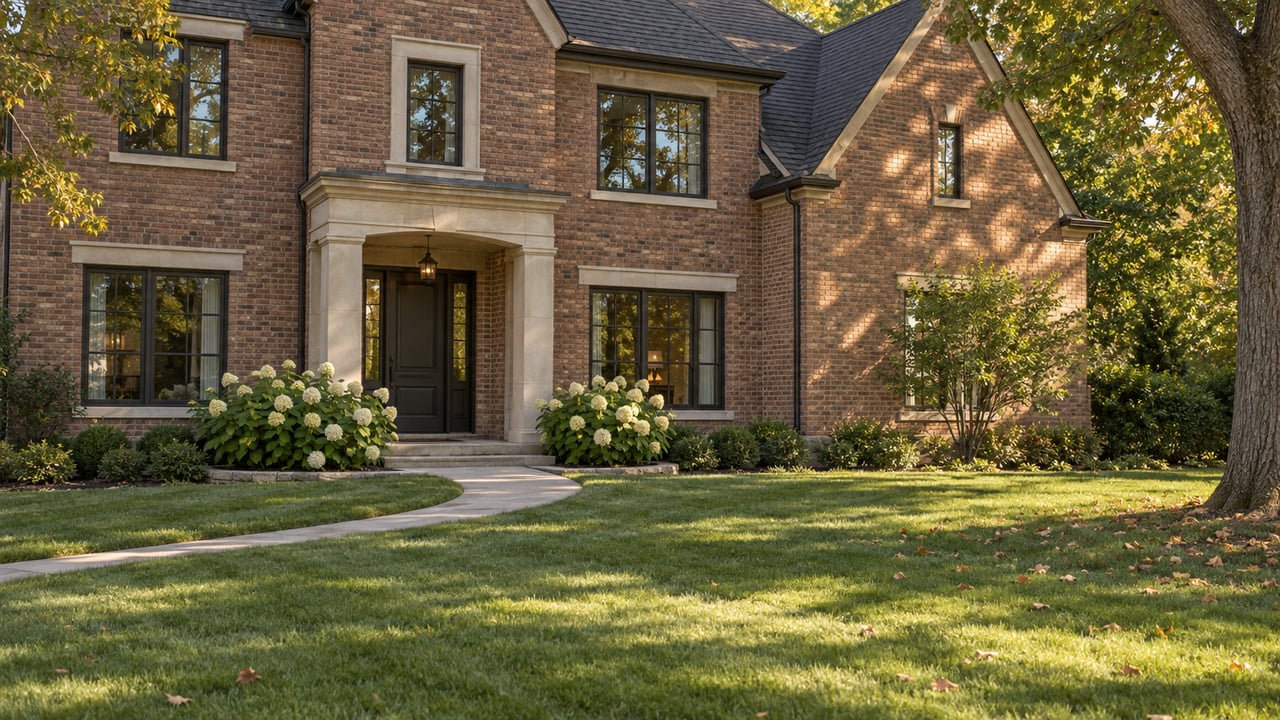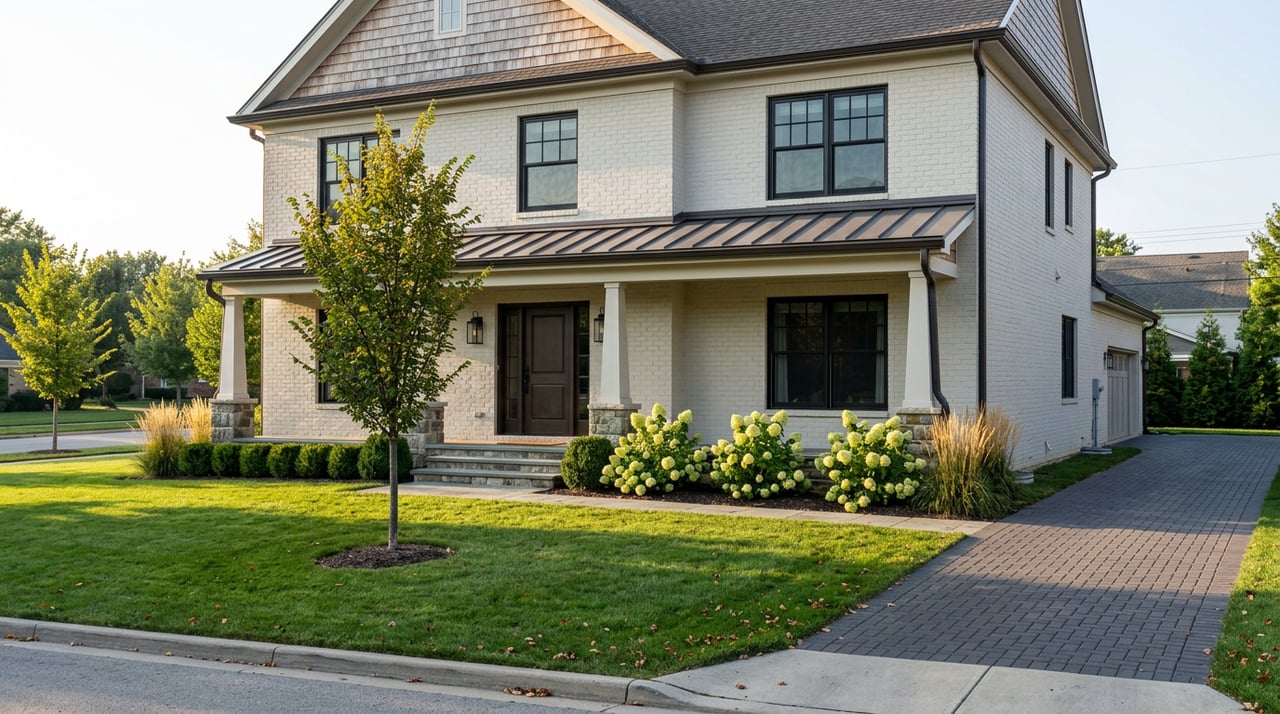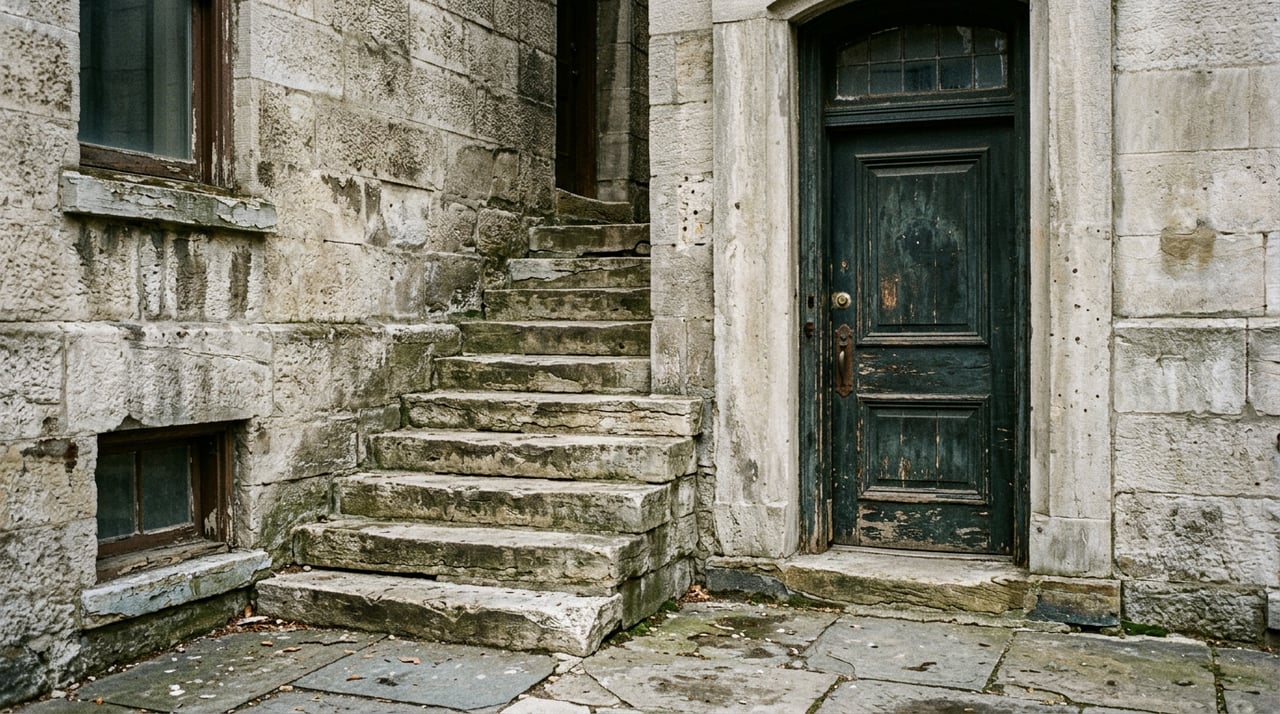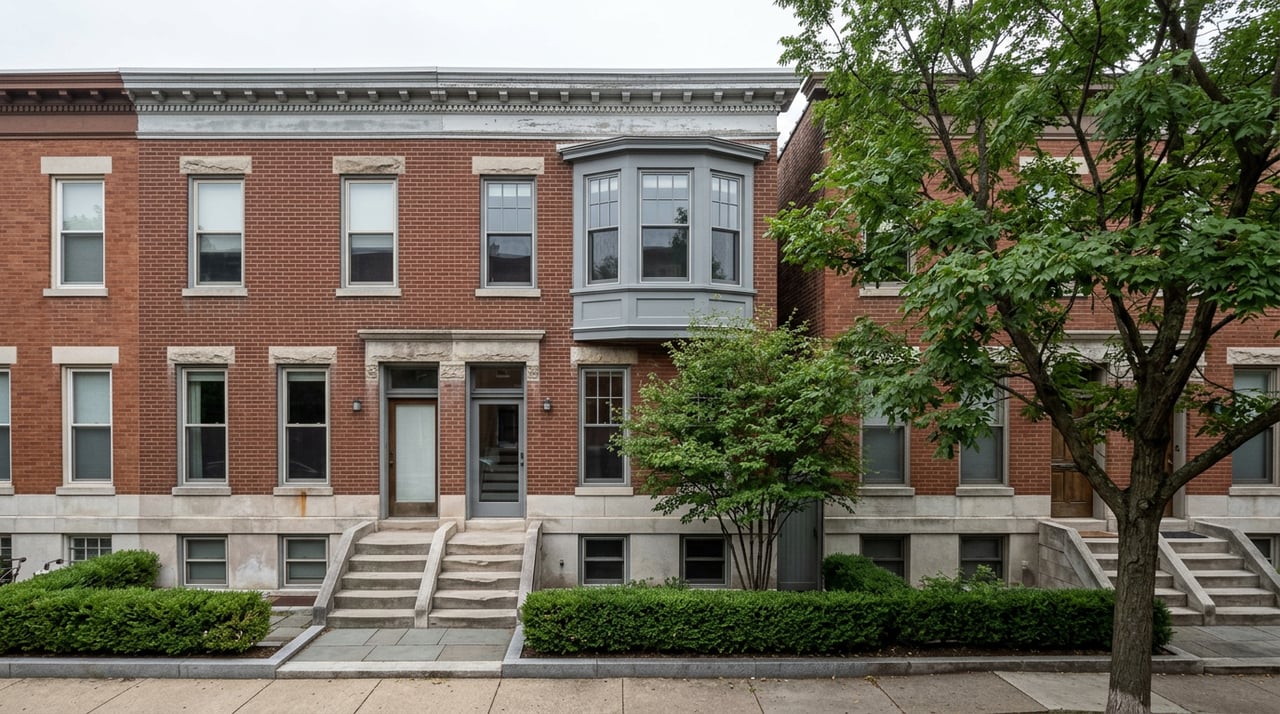
The house at 950 West Willow Street stood for 138 years. Built in 1888, it survived two world wars, the construction of the Kennedy Expressway a mile east, and roughly a century of Lincoln Park turning from a working streetcar neighborhood into one of Chicago's most expensive addresses. It did not survive 2026.
By the time the wrecking crew finished this summer, the story behind the demolition had already taken two turns. In October 2025, the property's owner at the time, Luka Pecic, petitioned the city to reclassify the lot from RT-4 to RM-5 zoning, a change that allows greater density. The stated purpose was renovation: Pecic wanted to convert the existing structure into more dwelling units, not tear it down. The city granted the adjustment that same month. Then, in January 2026, a new owner, Landex, acquired the parcel. Everything about the plan changed. Renovation became demolition. A single 1888 home became a permit for a new four-story, four-unit building, with Charles Schwartz listed as architect of record and Fargo Group LLC as general contractor, at a construction cost of $950,000.
Nobody broke a rule to make that happen. The zoning had already been loosened before the sale closed. What changed was who stood to benefit from it.
This Is Not an Isolated Address
Willow Street is not the only place this is happening. Preservation Chicago's public tracker of 90-day demolition delays shows the same pattern recurring across Lincoln Park through 2025 and into 2026. At 2310 and 2316 North Sheffield Avenue, DePaul University applied to wreck two three-story masonry multi-family buildings as part of an approved Planned Development, with both permits released in April 2026. At 2119 North Seminary Avenue, an applicant listed as Builder Luxury LLC, working on behalf of an LLC owner, filed to demolish a two-story masonry multi-unit residence, with the permit released in January 2026 after having first been filed the previous October.
Different owners, different blocks, same shape: an existing masonry building, built before Lincoln Park's current zoning code existed, comes down to make room for something denser.
The Ordinance That Decides Which Houses Get a Pause
Chicago has a tool designed to slow exactly this kind of turnover. Its 2003 Demolition-Delay Ordinance triggers an automatic 90-day hold on any demolition permit for a building rated orange or red on the Chicago Historic Resources Survey, giving the city's Department of Planning and Development a window to explore preservation before the wrecking ball moves in.
That window matters, but it is not a wall. A 90-day delay can be absorbed into any development timeline with enough patience and enough equity behind the deal. It slows a sale. It does not stop one. And it only applies at all if the building carries that survey rating in the first place. Most of Lincoln Park's housing stock does not.
The only part of the neighborhood where redevelopment faces a harder ceiling is inside an actual Chicago Landmark District, and Lincoln Park has two of them: the Mid-North District and the Old Town Triangle District. Mid-North was designated in 1977, covers roughly 480 buildings across about 20 blocks bounded by Fullerton Avenue, Armitage Avenue, Lincoln Avenue, and Clark Street, and was built almost entirely between 1865 and 1900. Inside that boundary, new infill construction, additions, and any demolition that would require City Council approval get reviewed by the Commission on Chicago Landmarks at a public meeting, not just a staff sign-off. Outside it, on the RT-4 and RM-5 lots that make up most of the neighborhood, the process is a standard building permit application.
Landmark status inside Mid-North and Old Town Triangle is also narrower than most buyers assume. It protects what is visible from the public way, the facade, the roofline, the courtyard as seen from the sidewalk, not the interior layout. The city actually waives certain requirements for landmarked buildings, including permit fees for maintenance like tuck-pointing and, in some conversions, the usual unit-to-parking ratio rules. It is a real constraint on what a building can become from the street. It is not a museum rope around the whole property.
What the Median Is Actually Measuring
Put those two zones side by side and Lincoln Park's headline number starts to make more sense. Through mid-2026, Lincoln Park's single-family median sale price climbed 22.5 percent year over year to $2.5 million, while active single-family inventory fell 51.2 percent over the same period. For comparison, North Side Chicago as a whole hit a record median of $500,000 in the second quarter of 2026, with inventory down a comparatively modest 22.8 percent to 1,125 listings.
| Through mid-2026 | Lincoln Park (single-family) | North Side Chicago (aggregate) |
|---|---|---|
| Median sale price | $2.5 million, up 22.5% year over year | $500,000, a record high |
| Active inventory | Down 51.2% year over year | Down 22.8% year over year, to 1,125 listings |
A 22.5 percent jump in one year sounds like buyers suddenly falling in love with Lincoln Park harder than they did in 2025. Some of that is real demand. But a median is an average of what is actually selling, and what is actually selling in Lincoln Park's single-family market has been shrinking from both directions at once. Inside Mid-North and Old Town Triangle, homes rarely change hands because owners who hold a landmarked property tend to keep it, and there is no path to add supply by building new inventory inside the boundary. Outside those districts, the properties most likely to sell at the lower end of the price range, older masonry buildings on RT-4 lots, are increasingly being purchased not by families who want to live in them but by developers who want the zoning underneath them. Once one of those becomes a four-unit building, it stops being a single-family comp entirely. It disappears from the pool the median is drawn from.
The median did not rise because the typical Lincoln Park house got more expensive. It rose partly because the properties that used to anchor the lower end of that pool are being converted out of it.
What This Means If You Are Comparing a Specific Block
If you are weighing a Lincoln Park listing against something in another neighborhood, the address matters more than the median. A home inside Mid-North or Old Town Triangle is competing in a market where the supply of comparable properties is essentially fixed. You are not just buying square footage, you are buying scarcity that a rezoning application cannot touch.
A home on an RT-4 block outside those boundaries is a different proposition. You may be bidding against a buyer who is not planning to live there at all, and who is running numbers on what the lot is worth as four units instead of one. That buyer's ceiling on price is set by future rents and unit sales, not by comparable single-family sales, and it can sit well above what a family shopping for a home to live in would pay.
Neither position is better in the abstract. But they are not the same market, and a listing price on its own will not tell you which one you are looking at.
How to Check Before You Write an Offer
Before writing an offer on an older Lincoln Park property, it is worth confirming two things directly: whether the address sits inside the Mid-North or Old Town Triangle landmark boundaries, and whether the building carries an orange or red rating on the Chicago Historic Resources Survey. The city's Historic Preservation Division can confirm both, and a pre-permit inquiry is free. If a seller's agent cannot answer either question, that is itself useful information about how closely the listing has been vetted.
For anyone shopping a wider radius, the Lincoln Park neighborhood overview is a good place to start narrowing which blocks fit what you are trying to buy, and a home valuation request is the fastest way to get a straight answer on what a specific property is actually worth once its zoning and landmark status are accounted for.
A Few Direct Questions
Does landmark status inside Mid-North mean I cannot renovate my kitchen? No. Landmark review in Chicago covers what is visible from the public way. Interior renovations, systems upgrades, and kitchen remodels generally do not require Commission review unless they alter a protected exterior feature.
How do I find out if a specific block is inside Mid-North or Old Town Triangle? The Commission on Chicago Landmarks maintains official district boundaries, and community groups like the Mid-North Association can confirm whether a specific address falls inside the designated area.
Is this pattern likely to slow down? Nothing in the current zoning framework changes that math on its own. As long as RT-4 to RM-5 adjustments remain available on a case-by-case basis, older masonry buildings on unprotected blocks will keep facing the same pressure that reached Willow Street.
A house on Willow Street cannot tell you what your own offer should be. But it can tell you what question to ask before you make one, and that question is worth more than the median.
Jennifer Williams built her practice on understanding both sides of that question, the construction and the contract. If you are trying to read what a specific Lincoln Park block will actually support, Jennifer Williams, Inc. is glad to walk through it with you. Let's Connect.