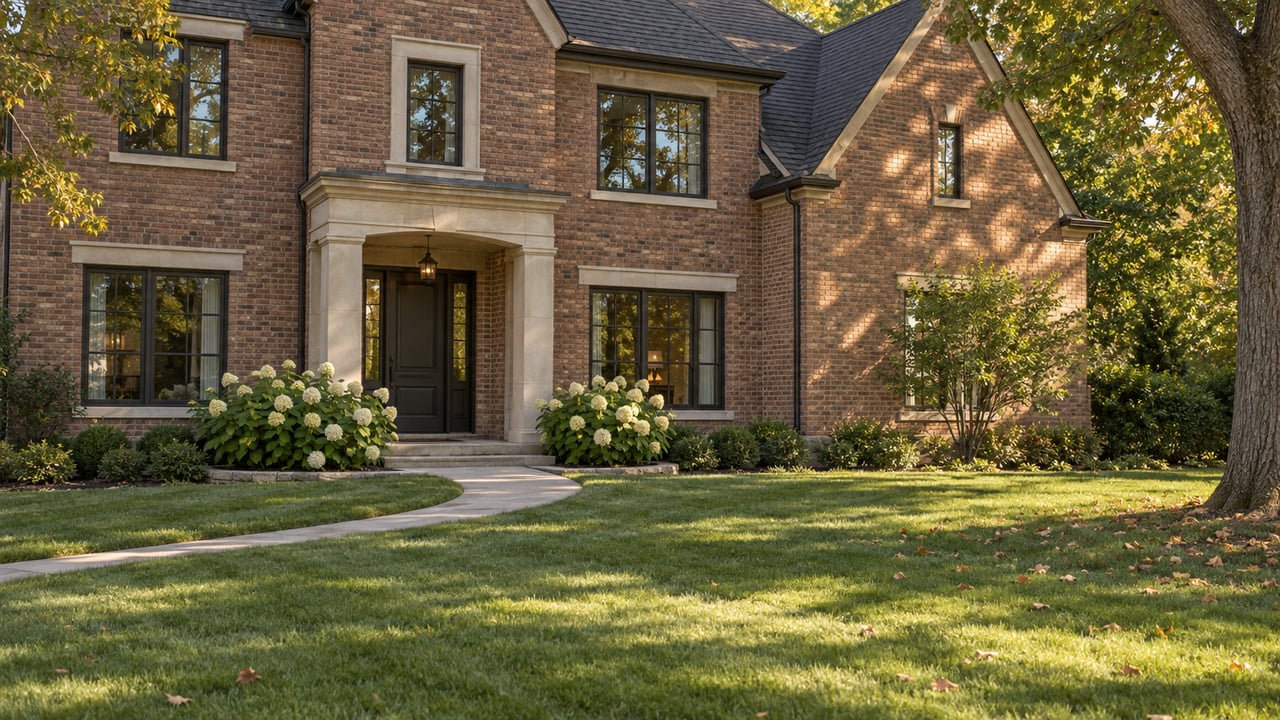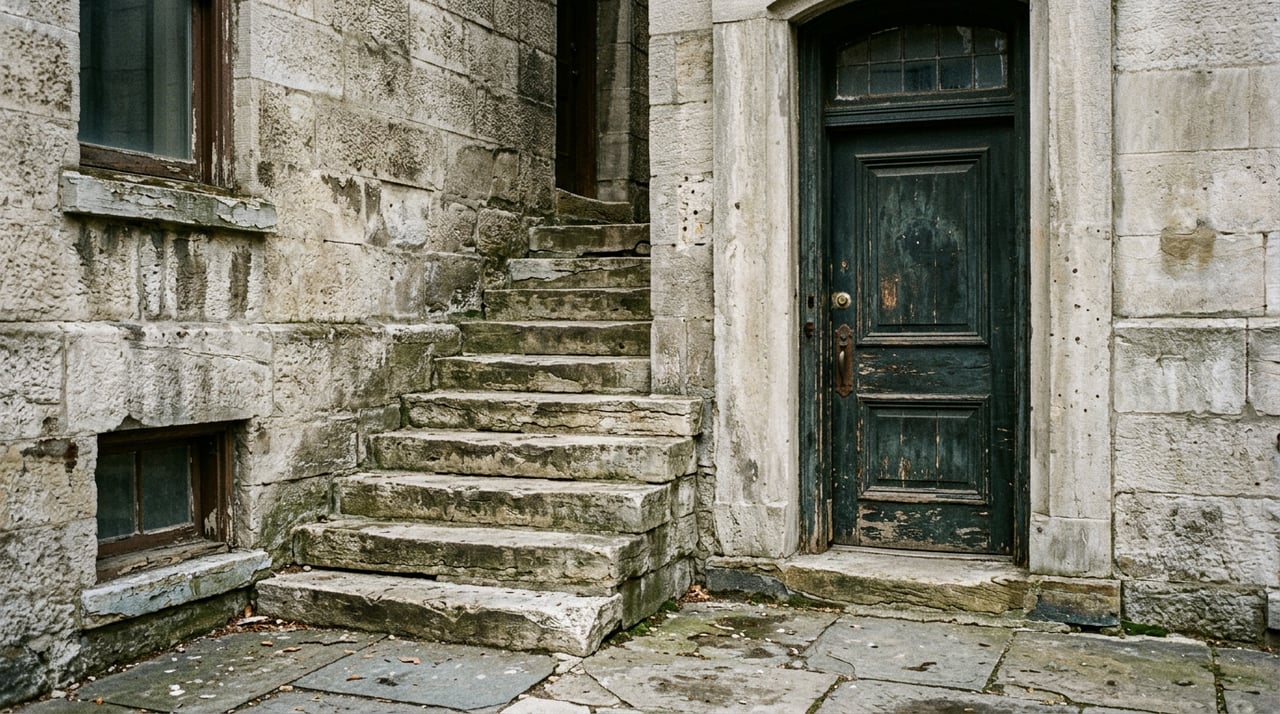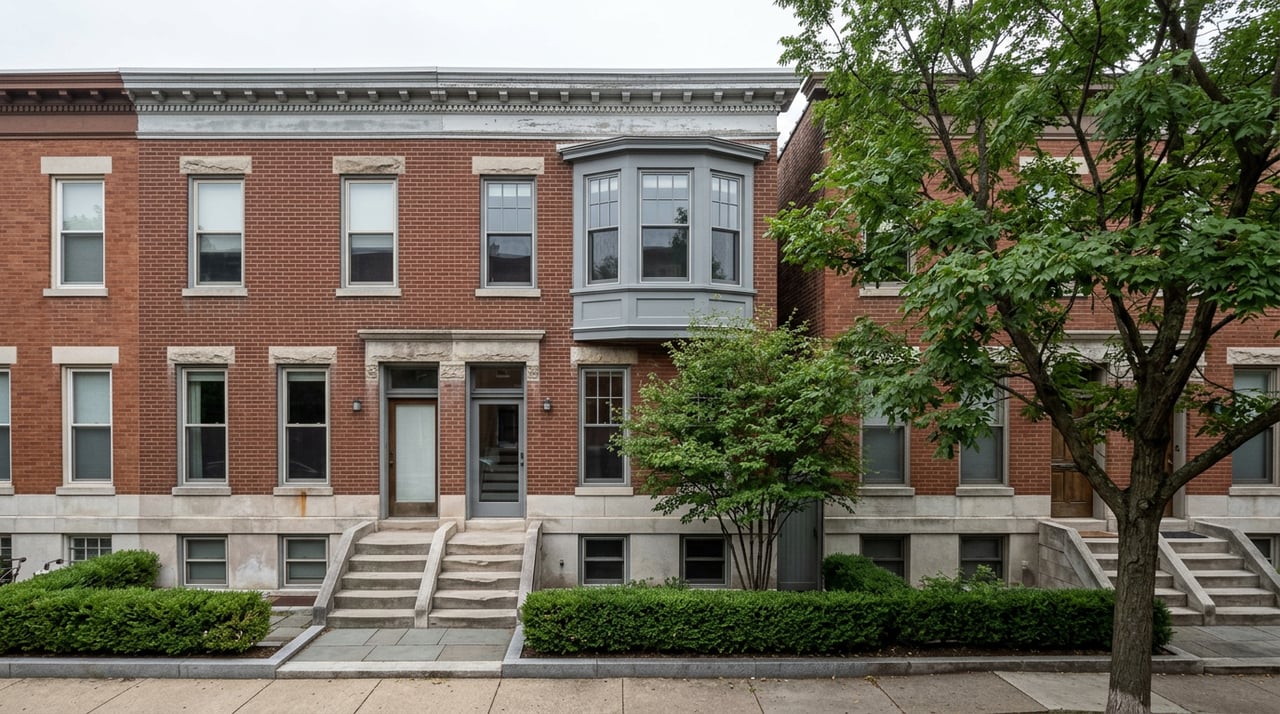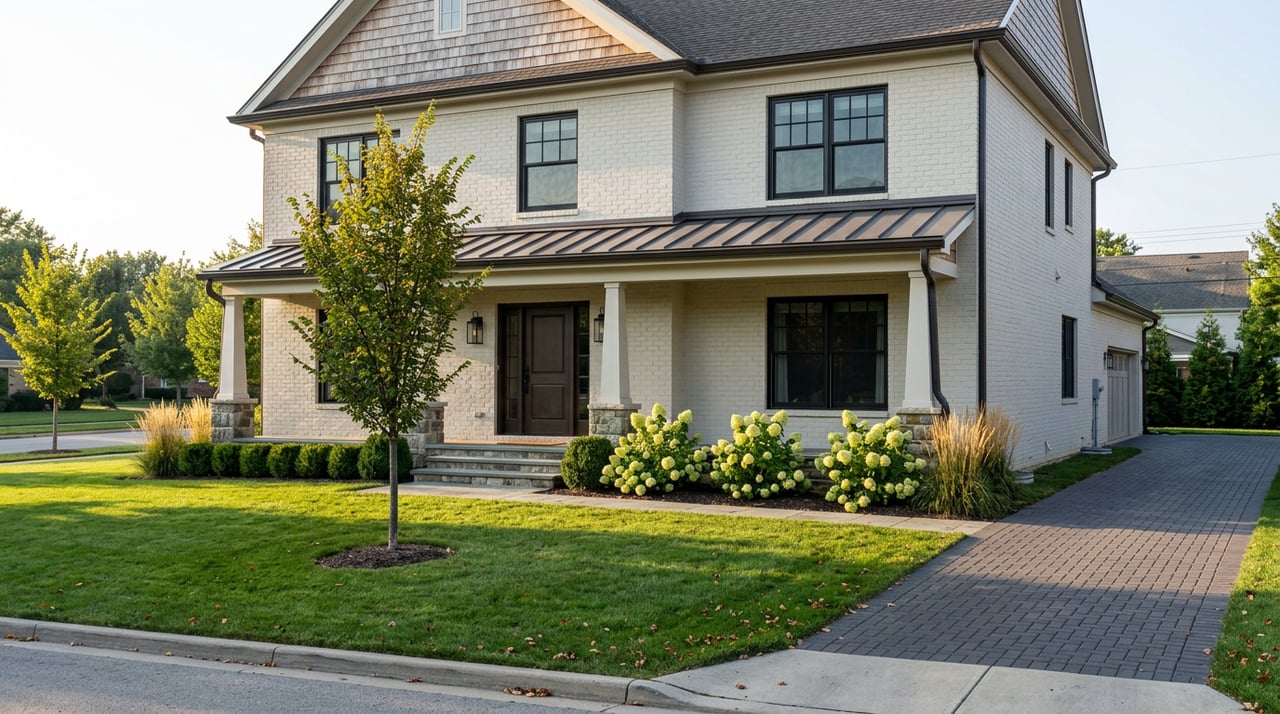
A buyer touring Western Springs on a recent Saturday could walk two houses on the same block within the hour. One is a well-kept four-bedroom from the 1960s, the kind with hardwood under the carpet and a kitchen that has seen two remodels since Nixon. The other, finished just months ago on a lot two doors down, has the same footprint on paper and a price tag several hundred thousand dollars higher. The cabinetry is nicer. The ceilings are taller. But the gap is too wide to be explained by quartz counters and a tankless water heater.
The real explanation sits at the village permit counter, not the design center.
One Median, Two Markets
Anyone shopping Western Springs by portal number alone is looking at a figure that blends two very different products into one line. As of September 2026, homes listed to buy in the village carried a median price near $1.29 million, with a typical 27 days on market. Pull the lens back to closed sales over the three months ending in May 2026, and the median drops to $1.1 million, up 18.1 percent year over year, with homes selling in about 38 days. Zillow's home value index, which estimates value across the entire housing stock rather than just current listings, put the average home value at $898,566 as of the end of May 2026. Earlier in the year, a separate closed-sale median for the same village was reported at $820,000.
None of those numbers are wrong. They are measuring different things: an index of estimated value across every home whether or not it is for sale, a snapshot of what actually closed in a rolling window, and the asking price of whatever happens to be active on a given day. In a village where inventory is thin and a meaningful share of activity is new construction on replatted or torn-down lots, that spread widens further than it would somewhere with a more uniform housing stock.
Layer in the new-construction segment specifically and the picture sharpens. New-construction listings tracked earlier this year showed a median list price in the neighborhood of $1.25 million, comfortably above every one of the whole-market figures above. That is the gap worth explaining, because it is not simply a story about upgraded finishes.
The Premium Gets Written at the Permit Counter
Western Springs does not treat new construction as a cosmetic upgrade to an existing home. In most cases it is a teardown or infill project on an existing lot, and the village's own posted permit guidance makes clear that a full site-development process comes with it, not just a vertical build.
The building permit fee schedule is tiered to the cost of construction:
| Construction Cost | Fee Rate |
|---|---|
| Up to $1,000,000 | 1.75% |
| Next $4,000,000 (the $1M to $5M range) | 1% |
| Above $5,000,000 | 0.75% |
On top of that fee, the village requires a site-management bond, set at a minimum of $3,000 or 3 percent of construction cost, for any project involving demolition or a new principal structure. A single-family application also carries a $2,000 review deposit before plans are even fully vetted.
Run those numbers against a plausible mid-size custom build, say a $700,000 construction budget, which lands comfortably inside the 2,200 to 5,150 square foot range typical of the new-construction inventory tracked earlier this year. The permit fee alone comes to $12,250. The site-management bond, since 3 percent of $700,000 exceeds the $3,000 floor, runs $21,000. Add the $2,000 review deposit and you are at $35,250 in village-required costs before a single stud goes up, before the demolition of whatever stood there before, and before the fire sprinkler system the village requires in new single-family homes, a system a comparable resale house down the street was never required to install.
None of that is a builder markup. It is public fee structure, and it is baked into every teardown before the first framing inspection is scheduled.
New Also Means a Different Rulebook
There is a second layer to the premium that has nothing to do with dollars and everything to do with timing. On February 23, 2026, the Village Board adopted Ordinance No. 26-3314, updating the codes the village enforces on new construction. The codes it replaced had been in place since 2005 and 2006.
That means a permit pulled today is measured against a materially different rulebook than the one governing most of the resale housing stock surrounding it, homes that were built to compliance standards two decades old. When a listing agent calls a home "new construction," the distinction is not marketing language. It is a literal gap in the code cycle the house had to satisfy to get its certificate of occupancy.
Where You Can Watch It Happen: Timber Trails
The clearest place to see this premium in motion is Timber Trails, a 338-unit development built on a former golf course on the west side of the village. Getting it entitled was its own undertaking. Attorneys handling the annexation and zoning arranged a $55 million special assessment bond as part of what became a project exceeding $350 million once roadway, utility, and toll authority land agreements were included, according to the law firm that worked the entitlement.
The original homes there went up starting in the mid-2000s. A newer section broke ground in 2016. Both waves fall under the "new construction" label on a portal search, but they were built to different code cycles a decade apart, a smaller-scale echo of the same premium mechanism at work across the rest of the village.
McNaughton Development is still actively building there, with current listings ranging from just over 2,100 square feet to more than 6,300 square feet, and pricing that runs roughly $1.4 million to $1.5 million depending on section, lot, and finish level. The carrying costs echo the sale premium too. Recent listings in the subdivision show average annual property taxes landing just under $14,000, well above what an unrenovated resale home nearby typically owes on its older assessed base, plus HOA dues that run $228 to $490 a month for shared landscaping and maintenance.
What This Means If You're Comparing
If you are cross-shopping new construction against resale in Western Springs, or comparing new construction in Western Springs against a similar build in a neighboring suburb, the portal median is a starting point for conversation, not a verdict. A few questions do more work than the headline number:
Which code cycle governed the permit. A home permitted before February 2026 and one permitted after are not built to the same standard, even if both are labeled new construction on the same street.
What the village fee and bond structure adds to a custom build before design costs even enter the picture, since that figure scales directly with your construction budget rather than your final sale price.
How the permit timeline affects your own schedule. A Western Springs building permit must begin construction within six months of issuance and remains valid for one year after that if work has started, a detail that matters if you are timing a sale and a rebuild against each other.
A Few Direct Questions
Is every new-construction listing in the village a teardown? Most are, given how little raw land remains. Established subdivisions like Timber Trails still have occasional undeveloped or replatted lots, but the majority of new-construction activity in Western Springs happens on a site where something else stood first.
Who actually pays the permit fees and bond, the buyer or the builder? Whoever pulls the permit, typically the builder or the property owner at the time of construction, carries the cost directly. On a custom build it shows up in your project budget. On a spec home it is already folded into the asking price before you ever see the listing.
Does the site-management bond come back? Bonds of this kind are generally released once the project clears final inspection and the site is confirmed compliant, though timing and conditions are set by the village rather than the builder.
If you are weighing a resale home against new construction in Western Springs, or trying to figure out what a specific lot could support, that is exactly the kind of question worth working through before you write an offer rather than after. You can browse the current Western Springs neighborhood page for a feel for what's active, or get a clearer read on what your own property could bring with a home valuation.
Jennifer Williams, Inc. works Western Springs and the surrounding western suburbs with the same attention to permit-level detail as she brings to Gold Coast high-rises. If you are trying to make sense of what a Western Springs number actually means for your situation, Let's Connect.